

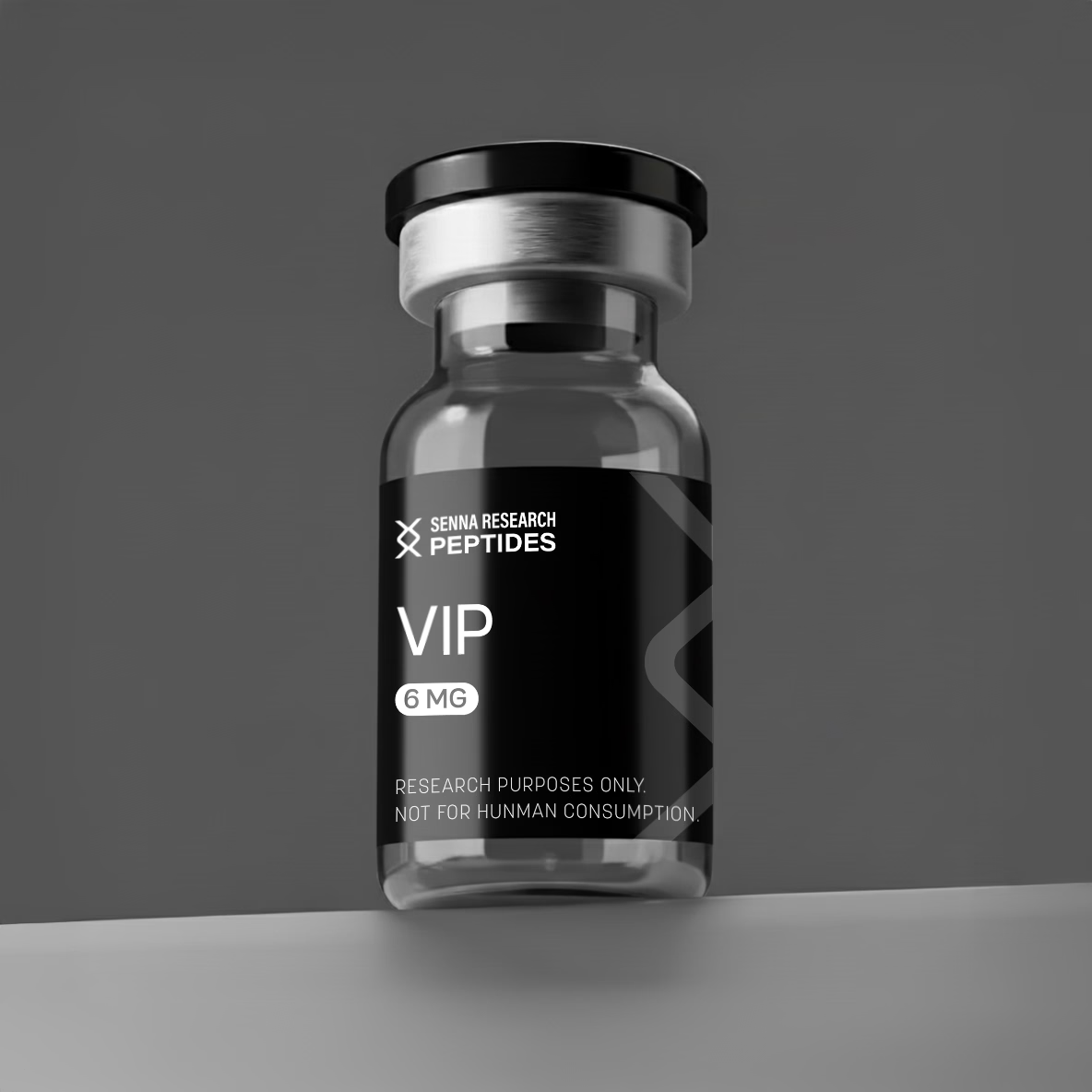
VIP
$34.99
Vasoactive Intestinal Peptide (VIP) is a naturally occurring 28-amino-acid neuropeptide widely distributed throughout the central and peripheral nervous systems. It is studied for its roles in cellular signaling, vascular regulation, secretion, inflammation, and immune function. Supplied strictly for research use only, not for human or veterinary consumption.
In stock
Description
Overview of VIP in Biochemical Research
Neurotransmission and Cellular Signaling
VIP functions as a neuropeptide and neurotransmitter and is produced by neuronal and immune cells. Research examines VIP receptor signaling and its interactions across nervous, endocrine, and immune systems.[1][2]
Immune and Inflammatory Signaling
VIP has been extensively investigated as an immunoregulatory signaling molecule. Experimental research has examined its effects on immune-cell activation, inflammatory pathways, cytokine responses, and innate immune function.[2][3]
Chemokine Receptor Activity
Laboratory studies have investigated VIP’s effects on chemokine-mediated immune-cell responses. One study reported that VIP inhibited chemokine receptor function in monocytes and CD4+ T lymphocytes, affecting chemotaxis and calcium signaling.[4]
Vascular and Secretory Physiology
VIP is recognized for vasoactive and secretagogue activity. These properties have made VIP signaling an area of research in vascular physiology and the regulation of secretory processes.[1][2]
Molecular and Structural Research
VIP consists of 28 amino acids with the sequence HSDAVFTDNYTRLRKQMAVKKYLNSILN. PubChem lists the molecular formula as C147H237N43O43S and molecular weight as approximately 3326.8 g/mol.[1]
Referenced Citations
- PubChem. Vasoactive Intestinal Peptide, CID 53314964. PubChem record
- Ganea D, Hooper KM, Kong W. The neuropeptide vasoactive intestinal peptide: direct effects on immune cells and involvement in inflammatory and autoimmune diseases. PMC
- Foster N, Lea SR, Preshaw PM, Taylor JJ. Immunomodulation of innate immune responses by vasoactive intestinal peptide (VIP): its therapeutic potential in inflammatory disease. PMC
- Grimm MC, et al. Vasoactive intestinal peptide acts as a potent suppressor of inflammation in vivo by trans-deactivating chemokine receptors. PubMed record
For research purposes only. Not for human consumption.
Overview of VIP in Biochemical Research
Neurotransmission and Cellular Signaling
VIP functions as a neuropeptide and neurotransmitter and is produced by neuronal and immune cells. Research examines VIP receptor signaling and its interactions across nervous, endocrine, and immune systems.[1][2]
Immune and Inflammatory Signaling
VIP has been extensively investigated as an immunoregulatory signaling molecule. Experimental research has examined its effects on immune-cell activation, inflammatory pathways, cytokine responses, and innate immune function.[2][3]
Chemokine Receptor Activity
Laboratory studies have investigated VIP’s effects on chemokine-mediated immune-cell responses. One study reported that VIP inhibited chemokine receptor function in monocytes and CD4+ T lymphocytes, affecting chemotaxis and calcium signaling.[4]
Vascular and Secretory Physiology
VIP is recognized for vasoactive and secretagogue activity. These properties have made VIP signaling an area of research in vascular physiology and the regulation of secretory processes.[1][2]
Molecular and Structural Research
VIP consists of 28 amino acids with the sequence HSDAVFTDNYTRLRKQMAVKKYLNSILN. PubChem lists the molecular formula as C147H237N43O43S and molecular weight as approximately 3326.8 g/mol.[1]
Referenced Citations
- PubChem. Vasoactive Intestinal Peptide, CID 53314964. PubChem record
- Ganea D, Hooper KM, Kong W. The neuropeptide vasoactive intestinal peptide: direct effects on immune cells and involvement in inflammatory and autoimmune diseases. PMC
- Foster N, Lea SR, Preshaw PM, Taylor JJ. Immunomodulation of innate immune responses by vasoactive intestinal peptide (VIP): its therapeutic potential in inflammatory disease. PMC
- Grimm MC, et al. Vasoactive intestinal peptide acts as a potent suppressor of inflammation in vivo by trans-deactivating chemokine receptors. PubMed record
For research purposes only. Not for human consumption.